
Blog

The Mediterranean eating pattern has long been viewed as a gold standard for healthy nutrition. The World Health Organization recognises it as both a nutritious and sustainable approach to eating. While no single diet works perfectly for everyone, the Mediterranean style can offer helpful guidance for making healthier food choices. Interest in its benefits grew from the 1960s, when researchers noticed that populations living in Mediterranean regions experienced better overall health and lower rates of chronic diseases. This traditional way of eating developed in countries where olives and olive oil were central to daily life, giving it a strong cultural identity. Although we often speak of the “Mediterranean diet,” it is more accurately described as a dietary pattern, as food choices vary between Mediterranean countries based on local produce and cultural customs. Importantly, the Mediterranean lifestyle is not defined by food alone. Sharing meals with family and friends, enjoying relaxed eating environments, taking breaks after meals and embracing slower-paced living are all part of the tradition. These habits contribute to stronger social bonds and reduced stress, complementing the nutritional benefits of the diet itself. Health Benefits of the Mediterranean Diet The Mediterranean diet is one of the most extensively studied eating patterns, and the evidence overwhelmingly points to positive health outcomes. Research consistently links this dietary pattern with reduced risk of: • heart disease and heart attacks • stroke and other cardiovascular conditions • certain cancers • type 2 diabetes • dementia and Alzheimer’s disease • longer life expectancy Emerging research also suggests benefits for: • weight management • blood pressure and cholesterol levels • bone health • mood and mental wellbeing Although no single food explains these benefits, it’s believed to be the overall combination of whole, minimally processed foods—along with fewer sugary and ultra-processed foods—that makes the biggest difference. What Does a Mediterranean Diet Look Like? A Mediterranean-style eating pattern typically includes: • plenty of vegetables, fruits, wholegrains and legumes • healthy fats from extra virgin olive oil, nuts and seeds • fish or seafood a few times per week • moderate amounts of eggs, poultry and dairy • limited red meat (usually no more than twice per week) A day on a Mediterranean-style menu might look like: • Breakfas t: Greek yoghurt with fresh berries and nuts • Lunch : Wholegrain sandwich with hummus and salad vegetables • Dinner : Tuna with leafy greens, beans and extra virgin olive oil, followed by fruit Equally important is what’s eaten less often: refined grains, sugary drinks, processed snacks, and processed meats such as salami or bacon. The Mediterranean lifestyle also encourages regular movement, enjoying meals with others, and maintaining a lower-stress pace of living—supporting both physical and mental wellbeing.
Healthy weight loss : At Chadstone Road Clinic, our GPs are experienced in managing weight and helping you achieve a healthy, sustainable lifestyle. Whether you’re just starting or have struggled with weight loss in the past, we offer a supportive, evidence-based approach. We focus on lifestyle changes first—and if needed, medication like Wegovy or Mounjaro may be considered as part of your personalised plan. ⸻ Healthy Weight Loss: A Sensible, Long-Term Approach Many people try crash diets or extreme plans to lose weight quickly, but these often lead to yo-yo dieting, lower metabolism, and weight regain. Instead, the best way to achieve and maintain a healthy weight is through small, sustainable lifestyle changes. Why Diets Don’t Work Long-Term? Fad diets may help in the short term, but most are hard to stick with and can slow your metabolism. Long-term success comes from consistency—not restriction. A Smarter Way to Lose Weight: • Focus on gradual weight loss (around 0.5–1kg per week). • Make realistic goals and build habits you can maintain for life. • Understand your eating and movement patterns using simple food and activity diaries. • Eat more vegetables, cut back on sugar and saturated fats, and drink more water. • Stay active with daily movement—walk, take stairs, garden, or play with your kids. Support at Chadstone Road Clinic: At Chadstone Road Clinic, your GPs will guide you through a comprehensive weight management plan. We begin with a full check-up and detailed medical history, then tailor a plan that suits your health, lifestyle, and goals. If lifestyle changes alone are not enough, we may incorporate medications like Wegovy or Mounjaro—only when appropriate and as part of a holistic, medically supervised program. Tips to Stay on Track • Don’t just watch the scales—track waist size, energy levels, or how your clothes fit. • Find enjoyable ways to stay active so you’re more likely to stick with it. • Seek professional support if you’ve had difficulties with weight loss in the past. ⸻ Take the first step today At Chadstone Road Clinic, our weight loss clinic offers expert GP support to help you reach and maintain a healthy weight. We believe in realistic, long-term change—through education, lifestyle coaching, and medical support when needed. Book an appointment today and start your personalised weight loss journey with confidence. reference : Better Health Victoria – Source (https://www.betterhealth.vic.gov.au/health/healthyliving/weight-loss-a-healthy-approach)

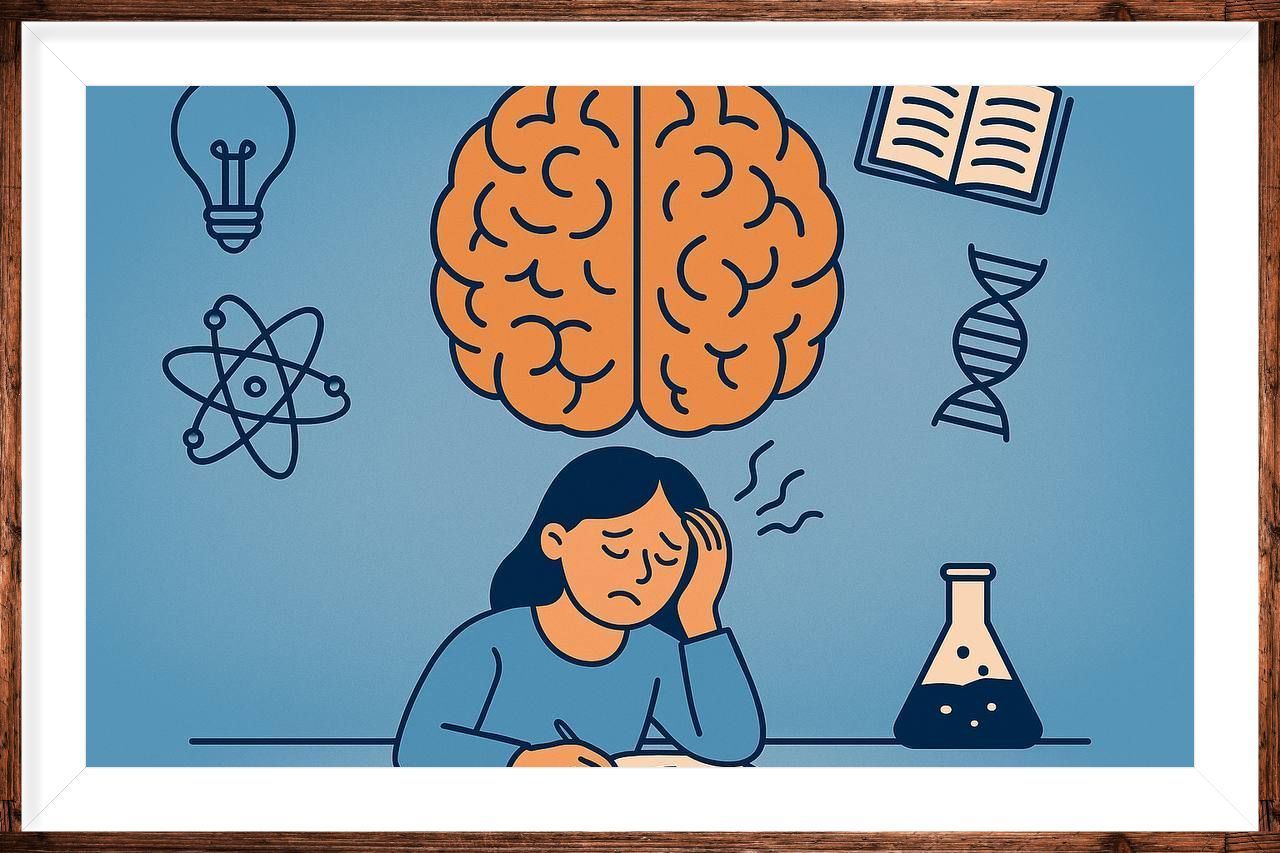
ADHD in Children and Adults – What You Need to Know S upport available at Chadstone Road Clinic Attention Deficit Hyperactivity Disorder (ADHD) is a common, long-term condition that affects attention, impulse control, and activity levels. It can impact learning, work performance, social relationships, and family life. In Australia, around 1 in 20 children are diagnosed with ADHD. Many adults also live with undiagnosed ADHD, often recognizing the signs only when their children are assessed. ________________________________________ Common Signs of ADHD ADHD symptoms can vary, but often include: • Inattention – Difficulty concentrating, forgetfulness, struggling to complete tasks • Impulsivity – Interrupting others, acting without thinking, emotional outbursts • Hyperactivity – Fidgeting, restlessness, or constant movement Some individuals may have inattentive-type ADHD, where hyperactivity is not as obvious. ________________________________________ What Causes ADHD? The exact cause is unknown, but genetics play a significant role. ADHD is not caused by poor parenting, and with the right support, children and adults with ADHD can thrive . ________________________________________ What to Do If You Suspect ADHD If you or your child may have ADHD, your first step is to see a GP. To help with your consultation: • Write down specific behaviors or concerns • Include examples from home, school, or work • Mention any family history of ADHD or similar conditions Your GP can assess and refer: • Children to a Pediatrician or Child Psychiatrist • Adults to a Psychiatrist or Clinical Psychologist ⏳ Wait times for specialists can be long. While you wait, explore reliable resources, join support groups, and start learning about ADHD management strategies. ________________________________________ ADHD Support at Chadstone Road C li nic At Chadstone Road Clinic, we have a GP with special interest and experience in ADHD who can assist with initial assessment, ongoing support, and coordination of care. 📞 Book an appointment today to discuss your concerns and start the journey toward better focus and wellbeing. Helpful Resources • Royal Children’s Hospital: ADHD Fact Sheet • ADHD Australia – About ADHD ________________________________________ References 1. Graetz et al., 2001; Lawrence et al., 2015. 2. Faraone SV, Larsson H. Genetics of attention deficit hyperactivity disorder. Mol Psychiatry. 2019;24(4):562–575. doi: 10.1038/s41380-018-0070-0.